
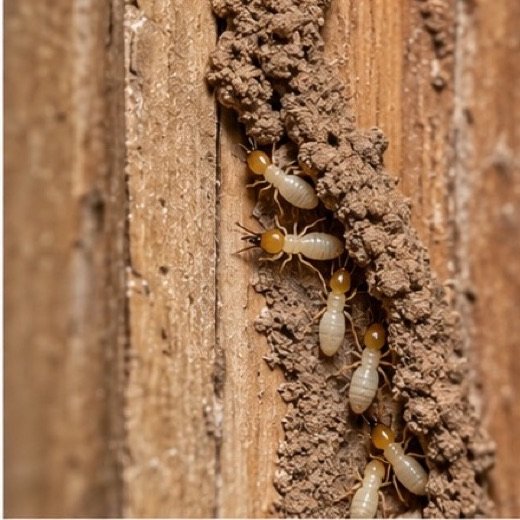
Signs deserve inspection, not guesswork
Possible warning signs include damaged or hollow-sounding timber, blistered or uneven paint, discarded wings near windows, or earthen-looking tubes along a surface. None of these signs alone confirms the species or the extent of activity. Photograph the area and note when you first noticed it.
In Mumbai’s humid and monsoon seasons, moisture issues can also damage wood and finishes. Check for plumbing leaks, damp walls and water collecting near a building, and report those conditions to the appropriate maintenance team. Moisture repair and pest assessment may both be needed.
Avoid hiding the evidence
Do not paint over, break apart or aggressively clean suspected tubes or damaged areas before an inspection. Keep furniture and stored items away from visibly damp surfaces if practical, but avoid disturbing structural elements. If the signs are in a society building, inform the managing office so connected areas can be checked.
Termite treatment depends on identification, building construction, access and the location of activity. A surface application may not be suitable for every situation, so ask the provider to explain the inspection findings and treatment limits.
Questions that help you make an informed decision
Ask which pest was identified, what parts of the property were inspected, whether the proposed work is localised or building-wide, and what preparation or access is required. Request written details on products, safety instructions, follow-up checks, warranty conditions and what is excluded.
Do not accept a guarantee without understanding its duration and conditions. Keep photographs and service notes so you can compare changes over time and share a clear history at any follow-up visit.
This guide offers general information only. It does not replace a property inspection, medical advice, or instructions on the product label. Always follow the qualified service provider’s safety guidance.