
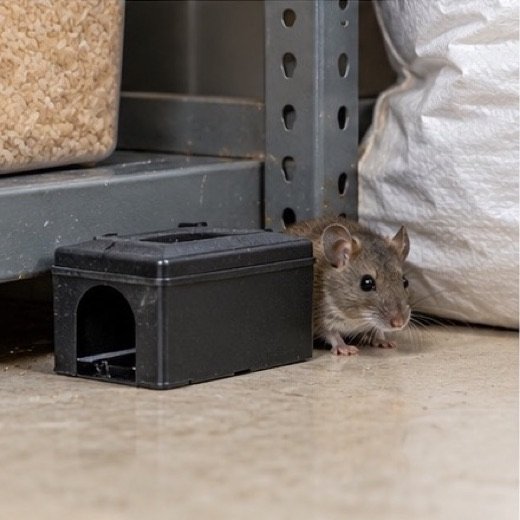
Look for routes as well as droppings
Check behind bins and appliances, under sinks, around utility pipes, and near balcony or service-door gaps. Look for repeated droppings, gnaw marks, disturbed packaging or rub marks, but avoid touching droppings with bare hands. Photograph signs and note where and when they appear.
In apartment buildings, rodents may use common shafts, parking areas, waste rooms or damaged drain covers. Report shared-area signs to building management; a coordinated inspection can be more useful than treating one room in isolation.
Reduce food access and clutter
Keep dry foods and pet food in closed containers, clean spills promptly, use bins with fitted lids, and avoid leaving waste overnight where possible. Reduce storage clutter around walls and keep accessible areas clear so inspections and cleaning are easier.
Do not block ventilation, drainage or safety openings with improvised materials. Ask a qualified technician or building professional to recommend a durable way to close a suspected entry point without creating another building problem.
Choose a control plan with clear safeguards
Ask how the provider will inspect, monitor and address entry routes, and whether the proposal includes follow-up. If traps or bait stations are recommended, ask where they will be placed and how children, pets and non-target animals will be protected.
Share any previous control attempts and ask for written product instructions. Avoid placing poison or unlabelled products in open areas. A good plan explains the scope, precautions and what you should monitor after service.
This guide offers general information only. It does not replace a property inspection, medical advice, or instructions on the product label. Always follow the qualified service provider’s safety guidance.